Quiet Hands, Loud Impact

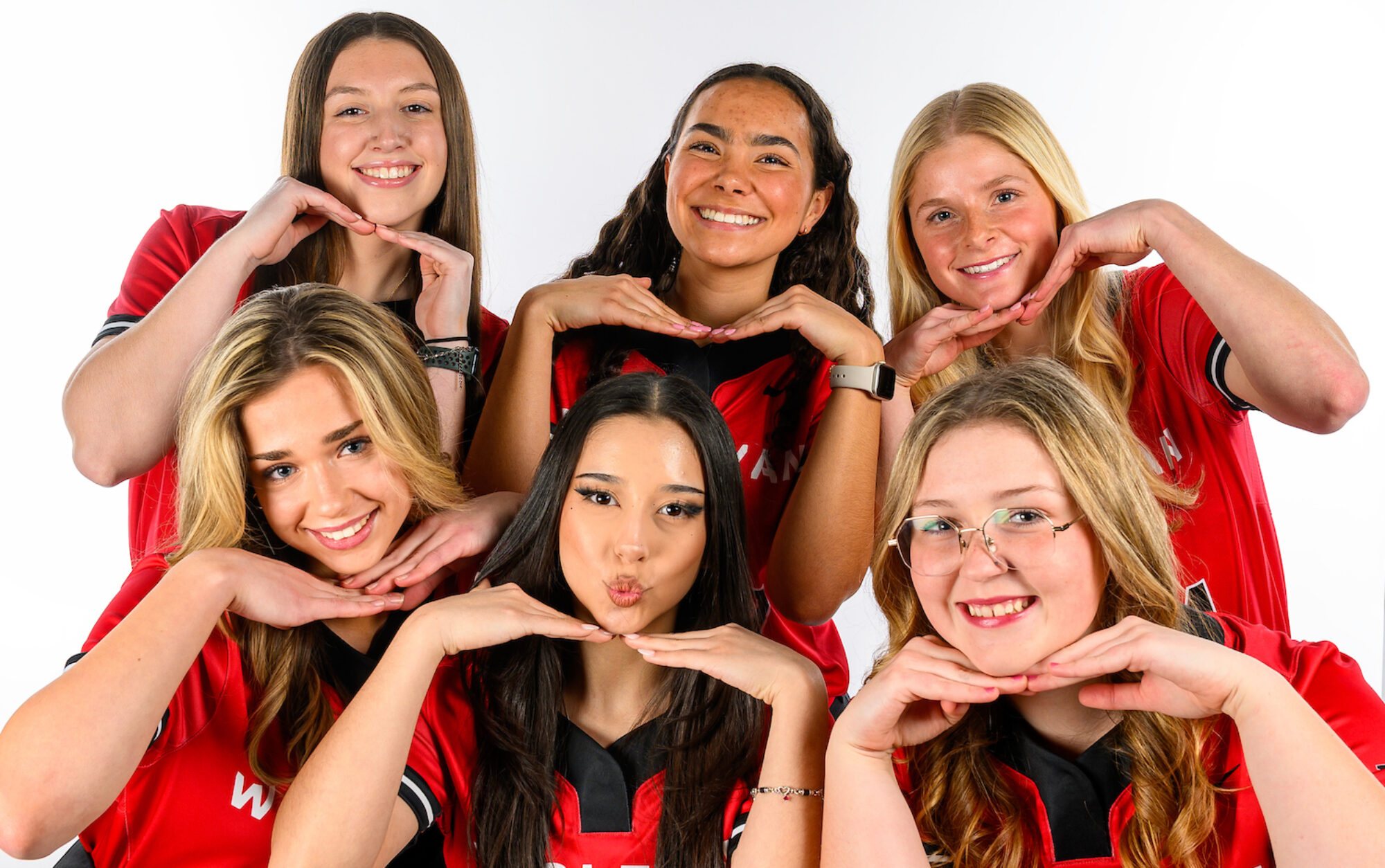
My freshman season at Wesleyan was both challenging and rewarding, and it was a privilege to be part of a team that made history. As a bullpen catcher, finding myself working behind the scenes warming up pitchers instead of on the main stage of the game, I embraced a support role while continuing to develop my skills and contribute wherever I could.

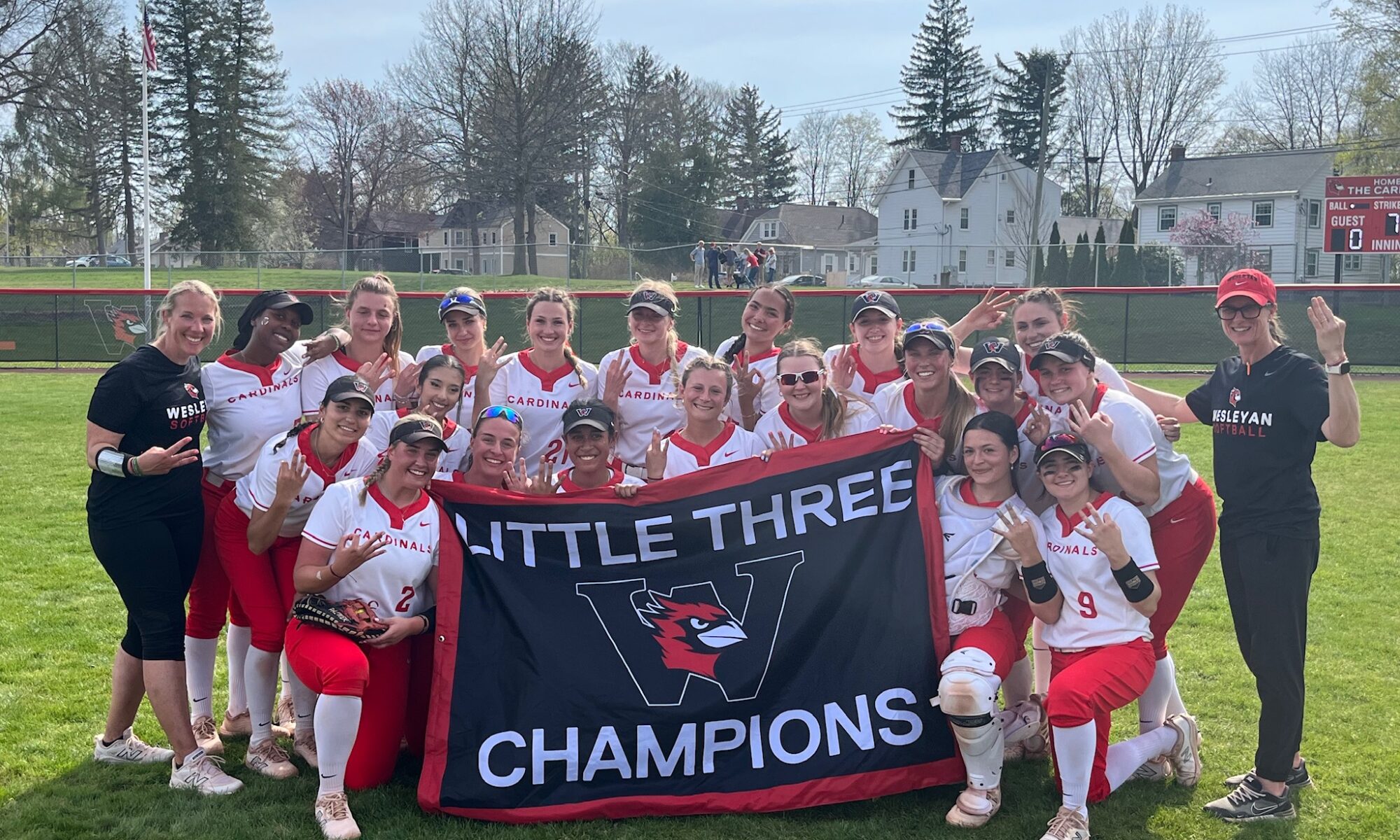
Our team set a new program record with 29 wins and opened the season with 10 straight victories, marking the best start in Wesleyan softball history. One of the most meaningful team accomplishments was winning the Little Three title against Williams and Amherst, a long-standing rivalry that carries a lot of pride.

Early in the season, I had a memorable first at-bat where, hitting left-handed as a switch hitter, I drove an RBI single over the second baseman’s glove—a moment that reflected the preparation and trust I had built with my teammates and coaches. What set this team apart was its collective drive and competitive mindset. Every player brought a strong work ethic and a commitment to pushing one another to be better.

We celebrated the record-breaking 25th win with a simple team photo at Coast Guard, but it represented something much bigger: a shift in the program and a shared belief in what we were building. I learned that success comes in many forms and that making the most of your role, whether on the field or behind the scenes, matters.

This season taught me that when you invest in the people around you and stay ready, your impact will be felt. Being part of this team during such a historic year was an experience that shaped me as both a player and a teammate.
Change at Any Age

Ever since I picked up my first bat and glove, I never really had my roots set deep in one position in softball. I started off at first base, but as I got older and my height stopped keeping up, I shifted to second base, which highlighted my agility and grit. For a while, I loved it, but that connection eventually faded.

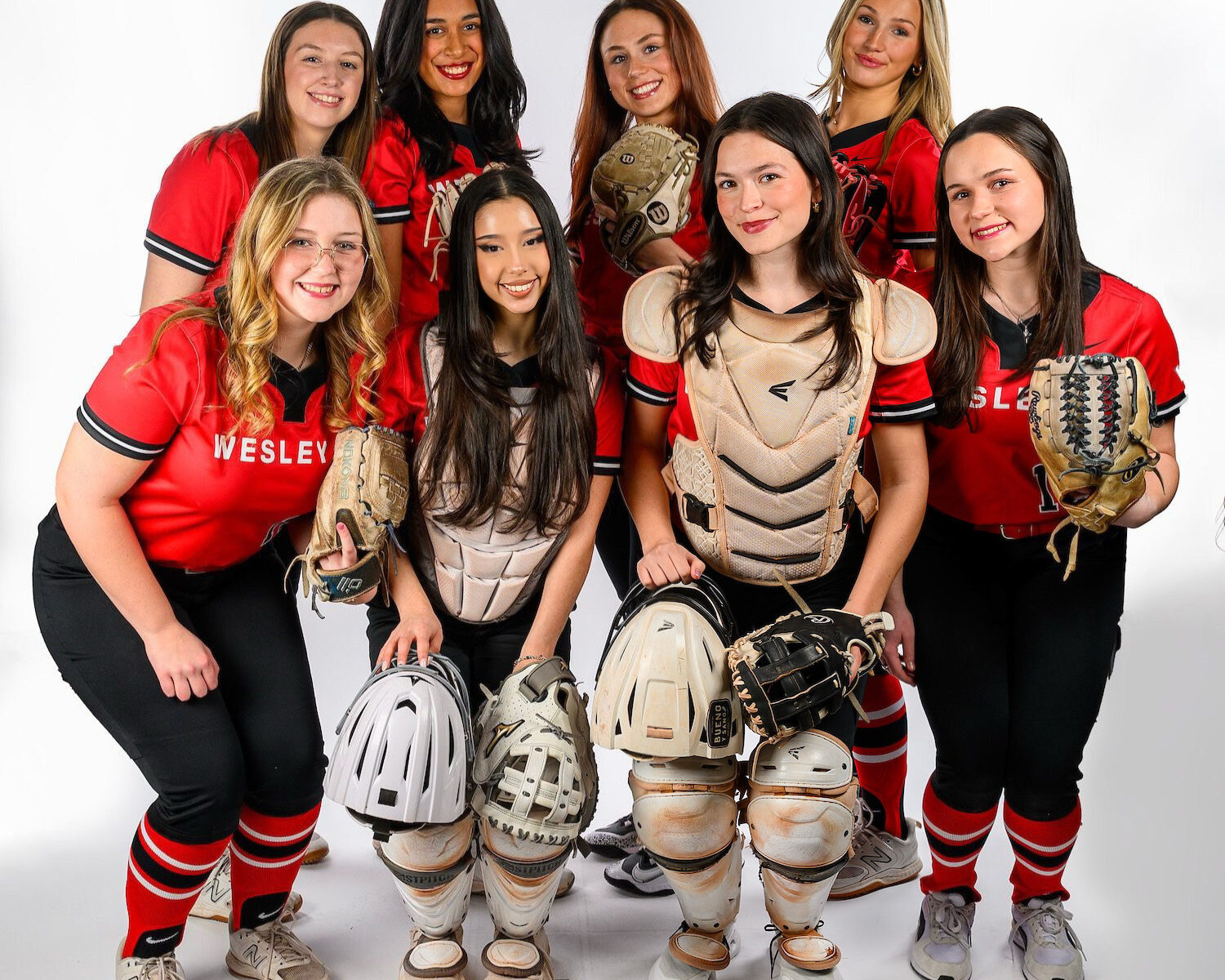
After bouncing around, I landed on catching, and after a lot of trial and error, I finally found something that worked for me. With every position change came the need to stay adaptable and coachable. When I came to Wesleyan University, I thought I had already found my style of catching, but the second I touched collegiate dirt, my coaches made me realize there were still changes to be made.

At that point, I had been about five years removed from learning the position, but I took their feedback in stride and pushed through the discomfort of learning something new. I commend myself for keeping a humble mindset in a sport I’ve spent so many years mastering, knowing that even if something works, there’s always room to improve.

Catching with one knee down and keeping my glove low might seem like a small technical adjustment, but to me, it represents something bigger: adaptability, humility, and the determination to restart and grow, no matter how many times it takes. It’s a reflection of how I’ve approached every change in my softball journey with open-mindedness, persistence, and a willingness to evolve both as a player and as a person.

Stalling, Starting, Growing

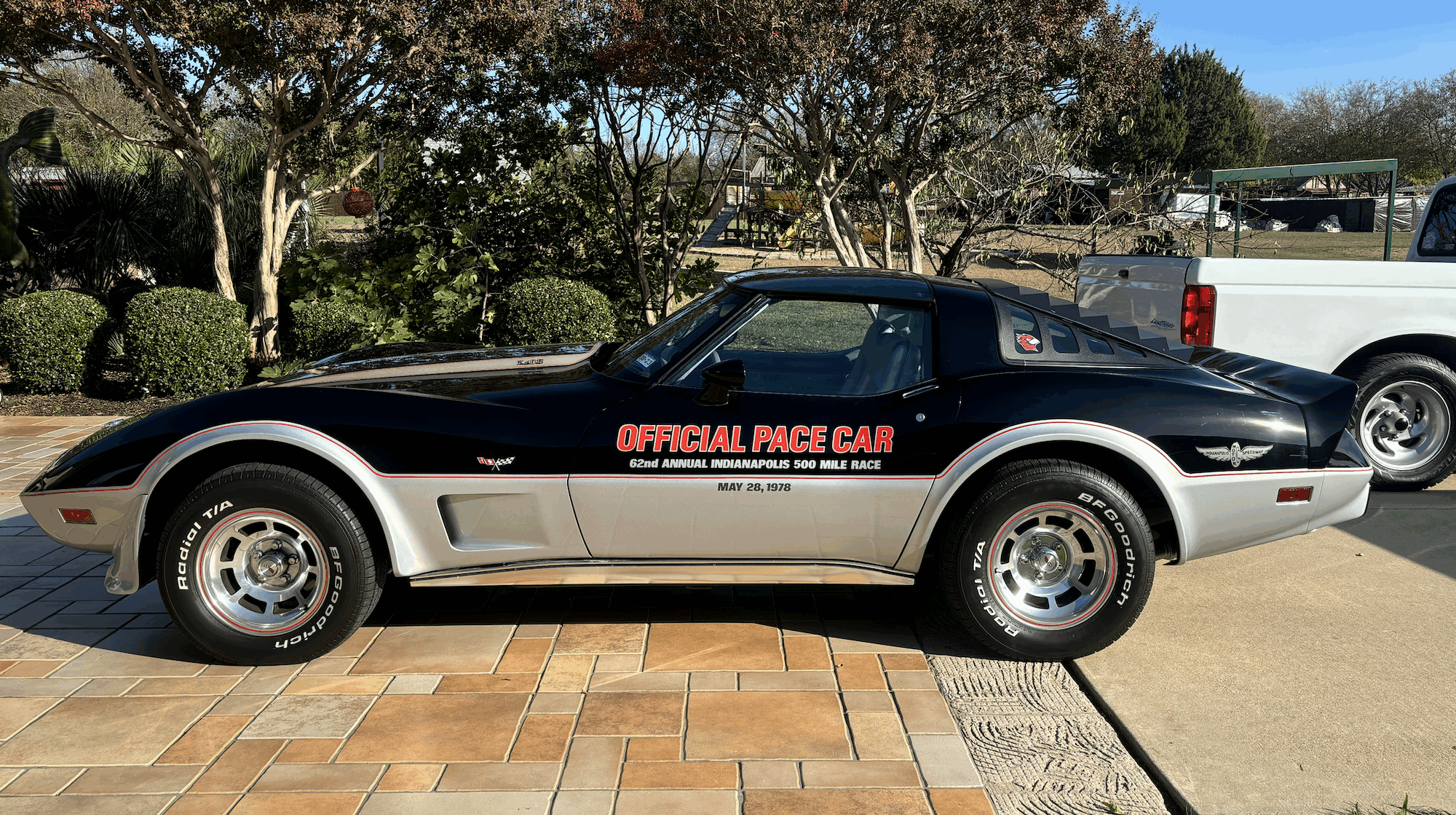
Starting college felt a lot like learning to navigate the 1978 Corvette I bought at sixteen, a car my dad and I loved for its curves and character but also one that tested me with constant stalls and unpredictable breakdowns. When I arrived on campus, balancing labs, practices, and the heavy rhythm of freshman life often felt like trying to coax that engine to stay alive at a stoplight, hoping it would not cut out the moment I needed it to move. I had days where I felt frozen between responsibilities, moments when the pressure of being so far from home and keeping up with academics and softball made me feel like I was stalling out before I even had a chance to accelerate.

But growing up working through the quirks of that Corvette shaped the way I handled these challenges. I had spent years dealing with a car that would fail if the temperature leaned even slightly in the wrong direction, one whose distributor and carburetor forced me to be patient and persistent. Every time I managed to start it again, or make it through a drive without it dying in traffic, I learned that progress comes in small, meaningful wins.

That same mindset carried into my college experience, where each good grade, strong practice, or moment of personal clarity felt like the familiar click of the ignition finally catching. My dad had always taught me to appreciate things that were beautiful even when they were impractical, to value what requires care and understanding, and that perspective helped me embrace the messier parts of transitioning into independence.

The resilience I built from that car became the foundation for how I navigate college now, reminding me that setbacks are part of the process and that the most rewarding experiences often come from what you choose to keep working on, even when it would be easier to walk away.

css.php